
Newsletter
Newsletter 08-2026
Jun 2023

Why know-how, experience and tools matter
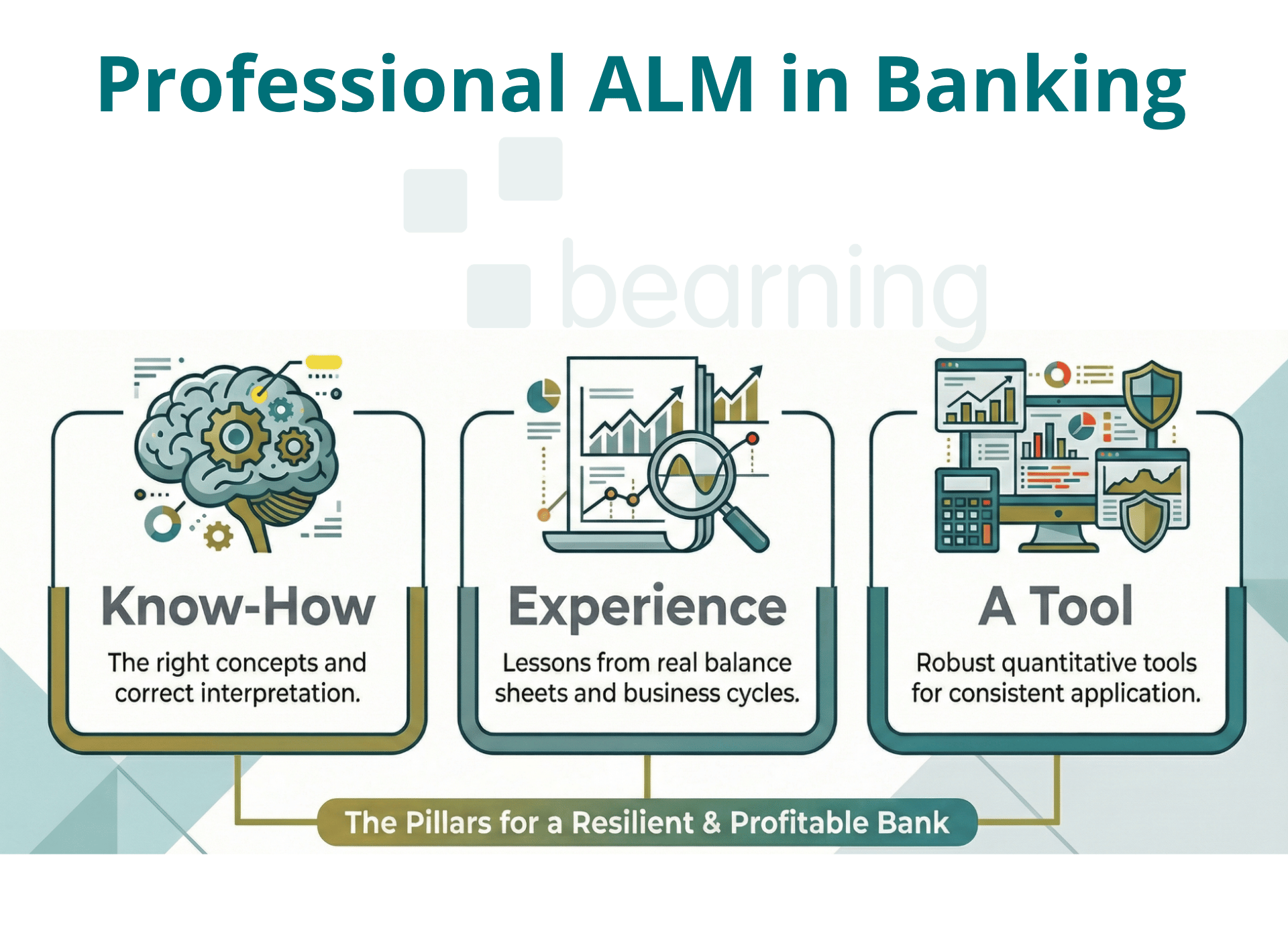
Asset & Liability Management (ALM) and Funds Transfer Pricing (FTP) are no longer just technical disciplines sitting somewhere between Treasury, Risk, and Finance. In today’s banking environment, they are core management frameworks that directly influence profitability, balance sheet resilience, and strategic decision‑making.
Banks that apply ALM and use FTP professionally are better prepared to manage interest rate risk, liquidity risk, structural balance sheet positions, and internal pricing signals across business lines. Those that do not often struggle with distorted incentives, suboptimal balance sheet structures, and weak steering under stress.
This article brings together key principles from my earlier work on ALM, FTP, and quantitative planning, and structures them into a coherent view on what is needed for professional ALM and FTP application in a bank, and how best‑practice frameworks are built and used in practice.
From experience across many institutions, professional ALM and FTP rest on three fundamental pillars:
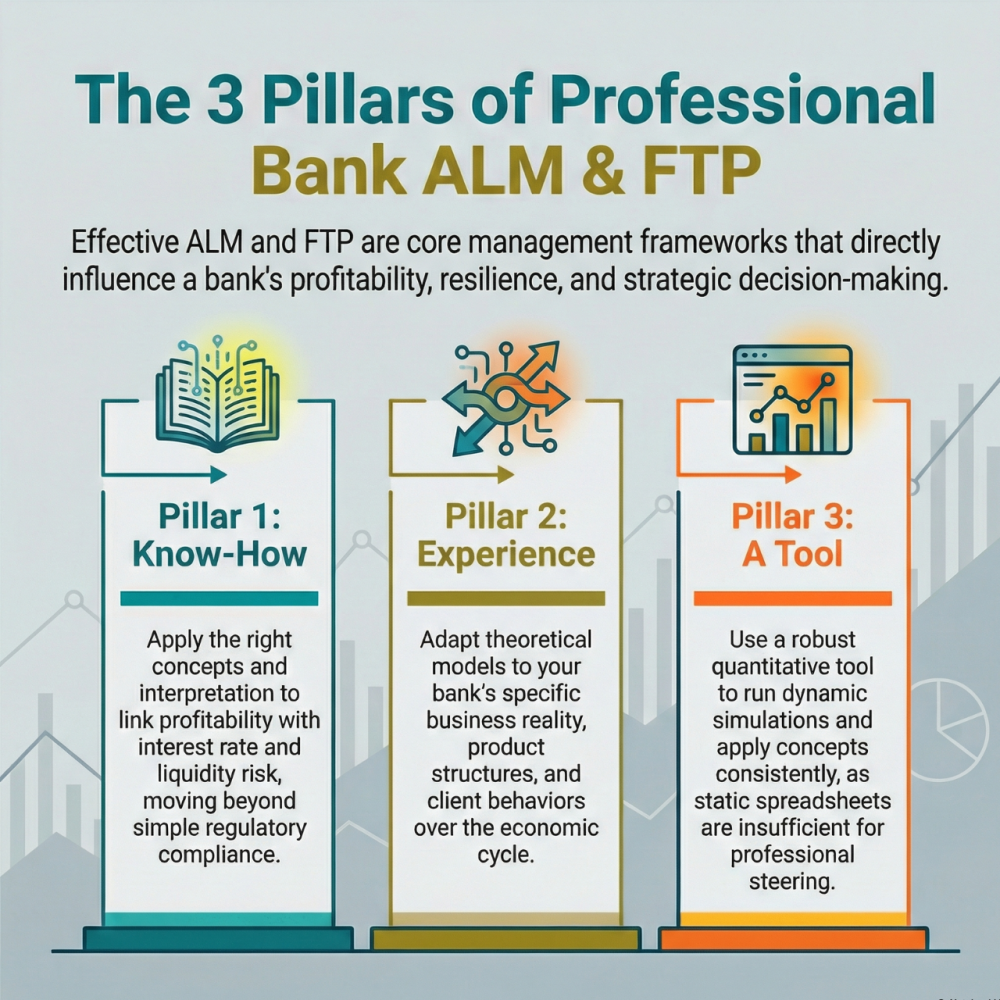
ALM and FTP are conceptually well described in regulation and textbooks. The real challenge, however, lies in interpretation and application.
Banks need to clearly understand:
Without strong conceptual clarity, even sophisticated models produce misleading signals. Over the years, we at Bearning have transformed long-term ALM and FTP experience into practical know-how that banks can actually apply — not just calculate.
ALM and FTP cannot be designed in isolation. Each bank has:
Experience matters in understanding how models behave over the cycle, how they react under stress, and where theoretical purity must be adjusted for business reality.
This experience is especially critical when:
Even the best know‑how and experience will fail without a robust quantitative tool. Spreadsheets may work for illustration, but not for professional balance sheet steering.

That is why we at Bearning cooperate with ALM and quantitative planning system partners, allowing banks to:
The combination of know‑how, experience, and professional tools is what turns ALM and FTP into effective management frameworks.
FTP is the backbone of internal balance sheet steering. Its role is to:
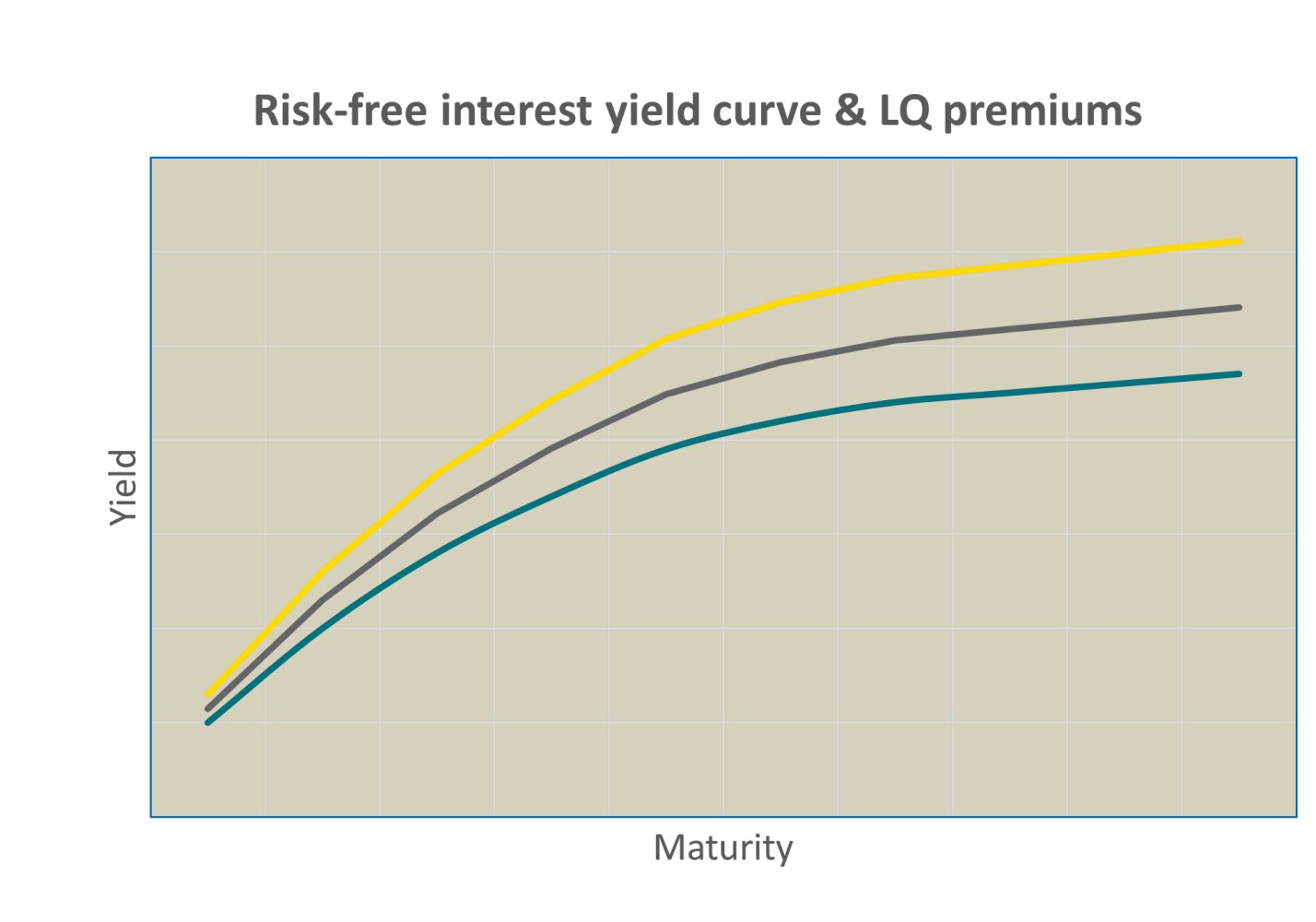
A robust FTP framework typically includes:
FTP should reflect economic reality, not just contractual cash flows. This requires behavioral modeling and a clear governance framework.
Building an FTP curve is not just about market data. It involves strategic choices:
Banks that oversimplify FTP curves often distort business incentives — for example, favoring short‑term volume over stable long‑term funding.
A professional FTP curve aligns:
Modern ALM goes far beyond static gap analysis and regulatory reporting. Its objective is balance sheet optimization under risk constraints.
Key ALM dimensions include:
Advanced ALM frameworks allow banks to simulate:
This transforms ALM from a reporting function into a strategic planning tool.
While LCR and NSFR are essential supervisory metrics, they are not sufficient for economic steering or ALCO decision-making. Best‑practice banks:
FTP plays a critical role by embedding liquidity value directly into business pricing.
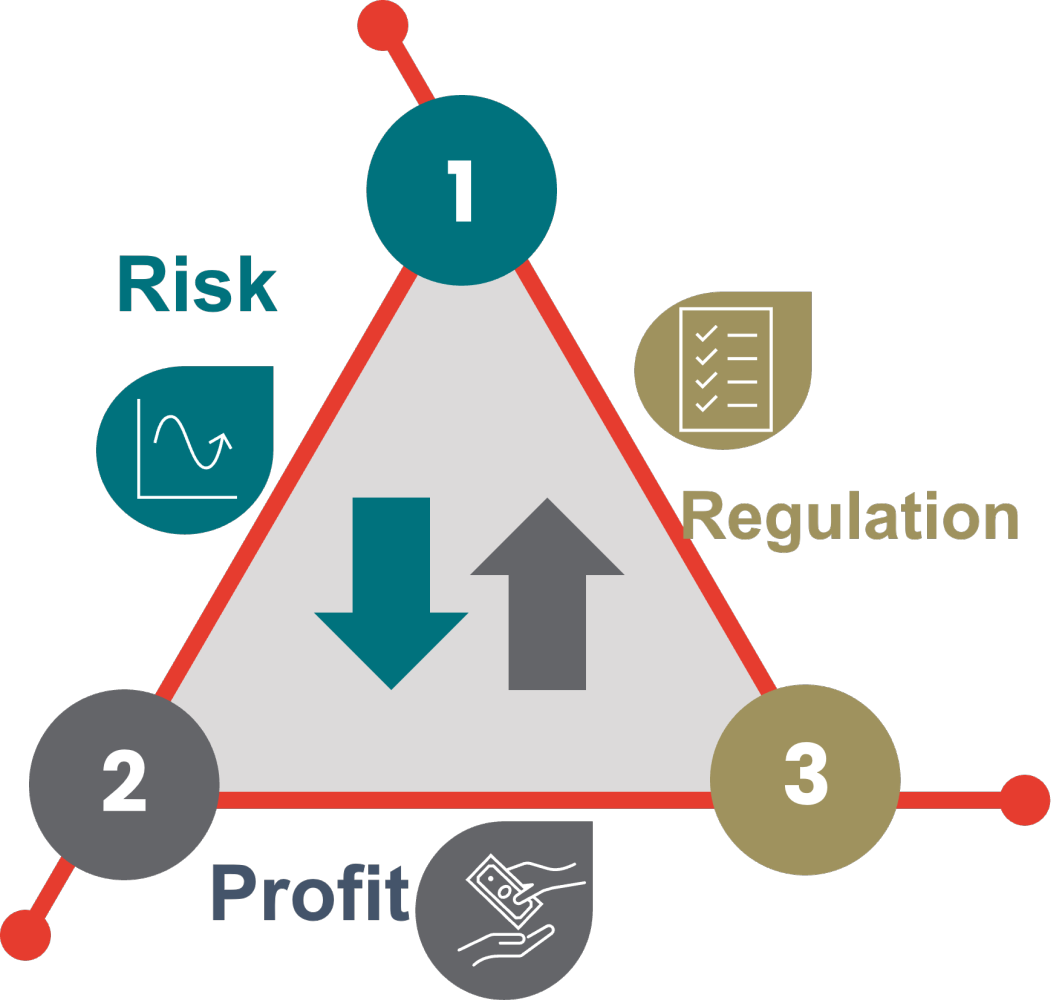
Effective IRR management — in line with IRRBB expectations — requires:
Banks that link IRR analysis with FTP signals can proactively steer product pricing, hedging volumes, and balance sheet structure — a capability increasingly expected by ALCOs and supervisors alike.
Advanced ALM systems enable banks to:
The value of such tools lies not in complexity, but in their ability to translate management questions into quantitative answers.
When combined with strong know‑how and experience, quantitative ALM planning becomes a decisive competitive advantage.
Professional ALM and FTP are not about having the most complex models. They are about:
Banks that invest in know‑how, experience, and the right tools build balance sheets that are not only compliant, but resilient, profitable, and strategically aligned.
At Bearning, this combination has been at the core of our work with banks for many years — turning ALM and FTP from technical disciplines into practical management frameworks.

ALM & Treasury, Riadenie rizík, Finančné riadenie banky, Banková regulácia, Fintech

Súbory cookie
Používame nevyhnutné cookie na chod webu a voliteľné analytické/marketingové na zlepšenie služieb. Viac v zásadách používania cookie.