Newsletter
Newsletter 08-2026
Jun 2023
AI's role in ALM, BIS research on liquidity regulation and funding costs, ECB supervisory benchmarks, and the future of money.
Artificial intelligence, evolving regulation, supervisory data, and the future of digital money are reshaping how banks manage their balance sheets and prepare for tomorrow's challenges.
The banking industry is moving from compliance-driven balance sheet management to intelligent, data-driven decision-making.
This month, we highlight four developments that deserve the attention of Treasury, ALM, Risk Management, Finance, and senior banking executives.
Artificial intelligence is rapidly moving from experimentation to practical application in banking. In our latest LinkedIn blog, we explore how AI can support Asset & Liability Management by improving behavioral modeling, forecasting, scenario analysis, stress testing, and optimization of bank balance sheets.
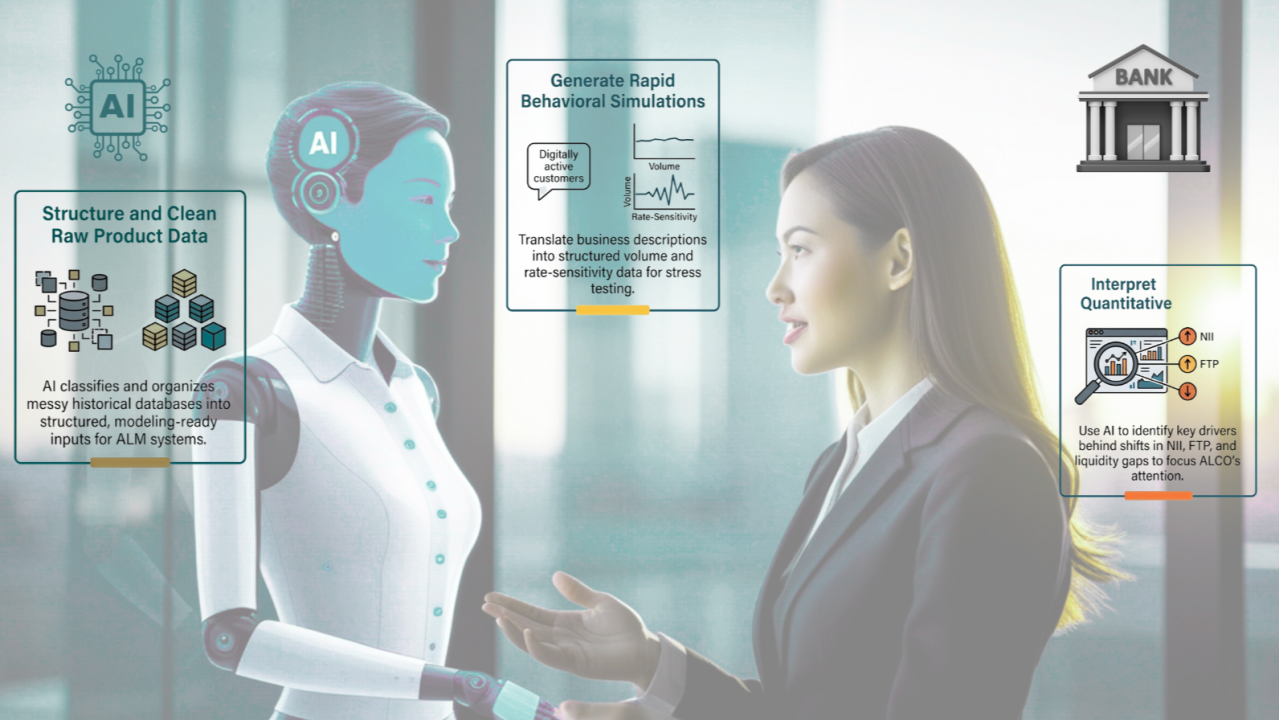
At the same time, we emphasize that AI is not a replacement for experienced ALM professionals. Sound governance, regulatory compliance, model validation, and expert judgement remain essential for making strategic balance sheet decisions. If used correctly, AI can become a valuable assistant for ALM, Treasury, Risk Management, and Finance teams, allowing professionals to focus more on interpreting results and making informed business decisions.
📖 Read our LinkedIn blog: https://www.linkedin.com/pulse/how-can-ai-improve-alm-banks-martin-macko-tvumf/
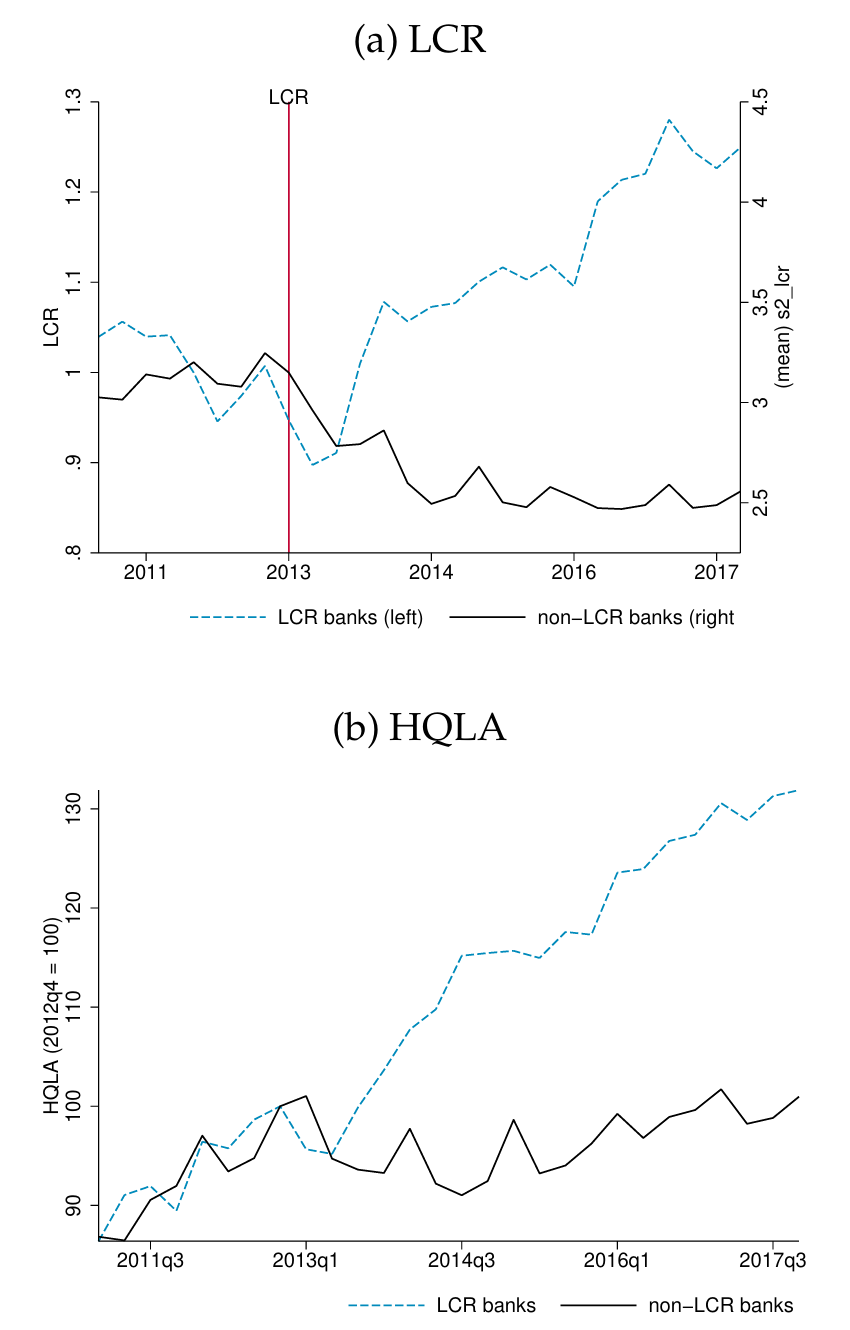
Liquidity regulation has been one of the defining changes in banking since the Global Financial Crisis. But has it also made bank funding more expensive?
In our recent LinkedIn commentary, we review a new BIS Working Paper that analyses the relationship between liquidity regulation and funding costs. The findings suggest that stronger liquidity requirements may increase funding costs in the short term, but they also enhance market confidence, improve financial stability, and reduce banks' overall funding risk.
For ALM and Treasury professionals, this raises an important strategic question: should liquidity regulation be viewed primarily as a regulatory burden or as an investment in long-term funding resilience?
📖 Read our LinkedIn commentary: https://www.linkedin.com/posts/martin-macko-bearning_liquidity-regulation-bank-activity-7467150704881713152-WfCv
📄 BIS Working Paper: https://www.bis.org/publ/work1352.htm
Every quarter, the ECB publishes a rich set of supervisory banking statistics covering capital, profitability, liquidity, funding, asset quality, and many other indicators for significant European banks.
In our LinkedIn post, we highlighted why these figures should not be seen merely as regulatory reporting. They provide an excellent opportunity for bank managers to benchmark their institution against European peers, identify emerging trends, and better understand how the banking sector is evolving.
Whether you work in ALM, Treasury, Finance, Risk Management, or Executive Management, these statistics can provide valuable context for strategic decision-making.
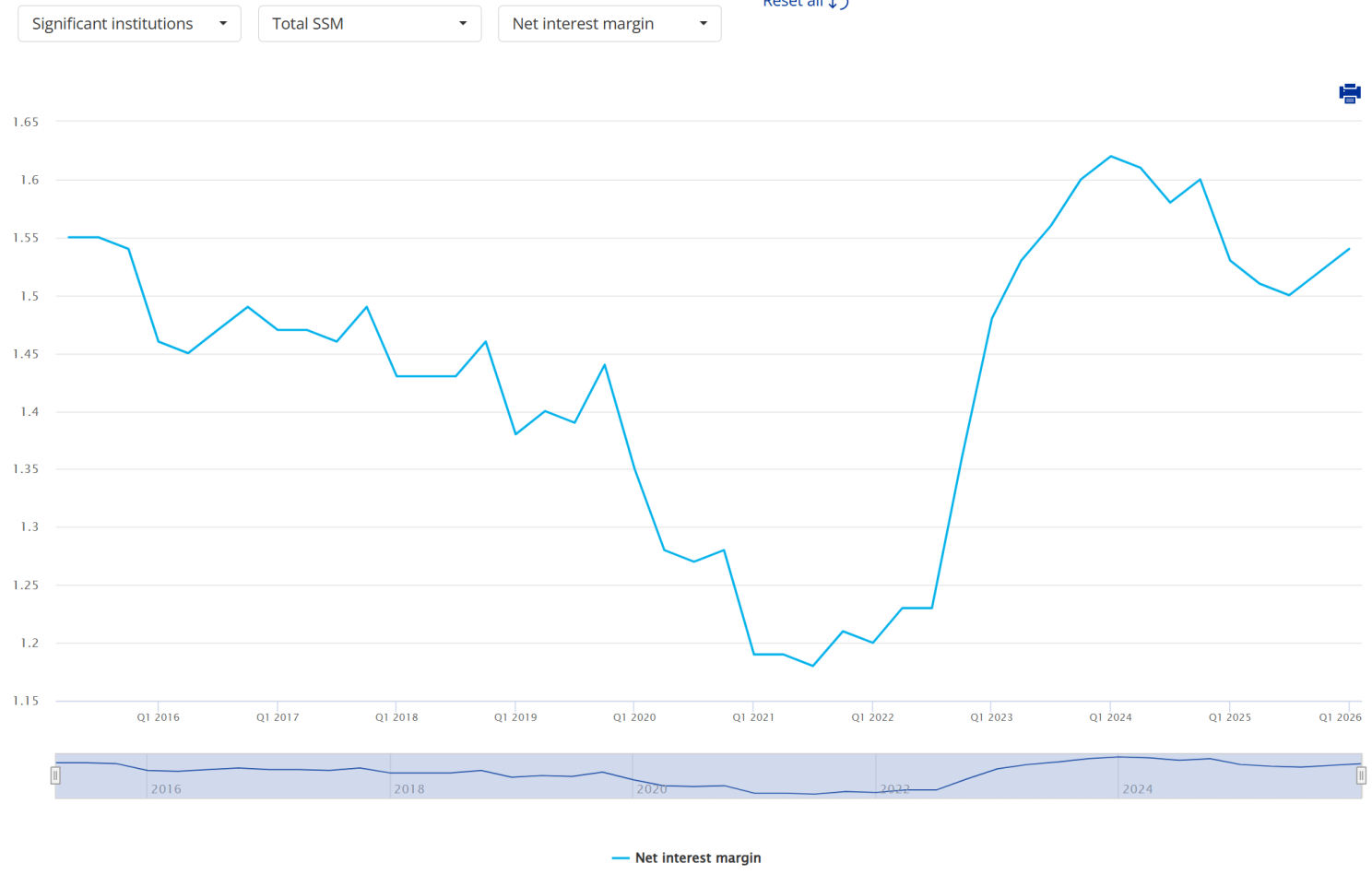
📖 Read our LinkedIn commentary: https://www.linkedin.com/posts/martin-macko-bearning_ecb-ecbbankingsupervision-ssm-activity-7474742920965976065-MH21
📊 ECB Supervisory Banking Statistics: https://www.bankingsupervision.europa.eu/framework/statistics/html/index.en.html#statistics
How will stablecoins reshape banking and financial stability? In our recent LinkedIn post, we discuss an important speech by ECB Executive Board member Isabel Schnabel, who compares stablecoins with money market funds and explains why their reserve management deserves close attention from banks.
One particularly interesting observation is that stablecoin reserves held as bank deposits could become a new transmission channel of liquidity stress between stablecoin issuers and the banking sector. As digital money continues to evolve, understanding these interactions will become increasingly important for Treasury, ALM, and liquidity management.
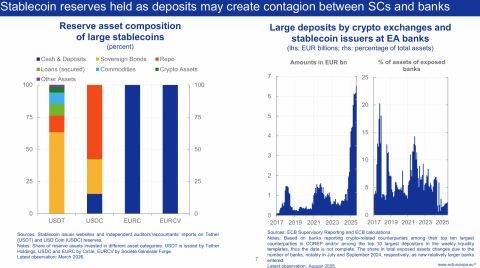
📖 Read our LinkedIn commentary: https://www.linkedin.com/posts/martin-macko-bearning_money-market-funds-activity-7472194118790737920-wrPi
🎤 ECB Speech: https://www.ecb.europa.eu/press/key/date/2026/html/ecb.sp260601~38dffe5ec5.en.html
One of the highlights of June was our international live webinar on Liquidity Risk Management and Intraday Liquidity, attended by banking professionals from Treasury, ALM, Liquidity Risk, Finance, and Payments.
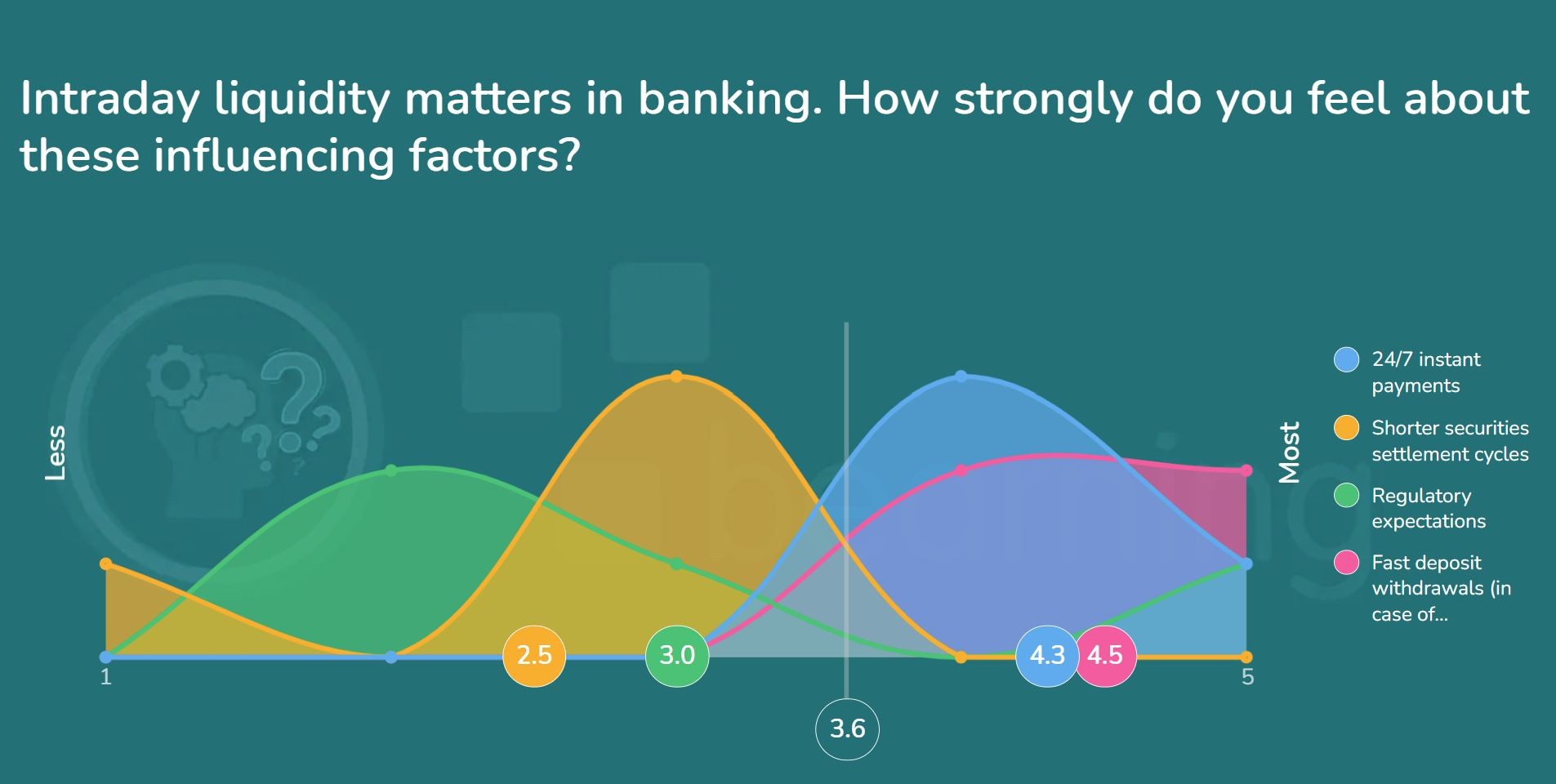
The webinar explores the complete liquidity management framework - from traditional structural liquidity risk and regulatory requirements (LCR, NSFR and ILAAP) to one of today's fastest-growing challenges: intraday liquidity management.
Recent banking events have demonstrated that liquidity risk can develop much faster than traditional models anticipated. Combined with instant payments, digital banking, and evolving customer behavior, this makes intraday liquidity monitoring and forecasting increasingly important for banks of all sizes.
The webinar covers:
The complete webinar recording is now available through the Bearning e-learning platform. Participants receive lifetime access to the recording and presentation materials, and the full version also includes a final knowledge test and a Bearning certificate upon successful completion.
As a reader of the Bearning Newsletter, you can now use the exclusive coupon code ALM40EXPERT to receive 40% off the webinar recording and accompanying e-learning course.
🎥 Read our LinkedIn post: https://www.linkedin.com/posts/nmd-modelling-and-quantitative-planning-ugcPost-7470028075154628609-nkPD/
🌐 Access the webinar recording and apply coupon ALM40EXPERT: Bank Liquidity: From LCR & FTP to Intraday Liquidity Control
📅 Save the date: September 17, 2026
Bearning is currently preparing another international webinar that we believe will be one of our most valuable events this year.
"Is Your ALCO Ready for the Next Shocks? Expert Panel Webinar & Live Case Study" will bring together experienced banking practitioners and regulatory experts to discuss how banks can prepare for an increasingly uncertain environment characterized by geopolitical tensions, changing interest rates, inflation uncertainty, deposit competition, and evolving supervisory expectations.
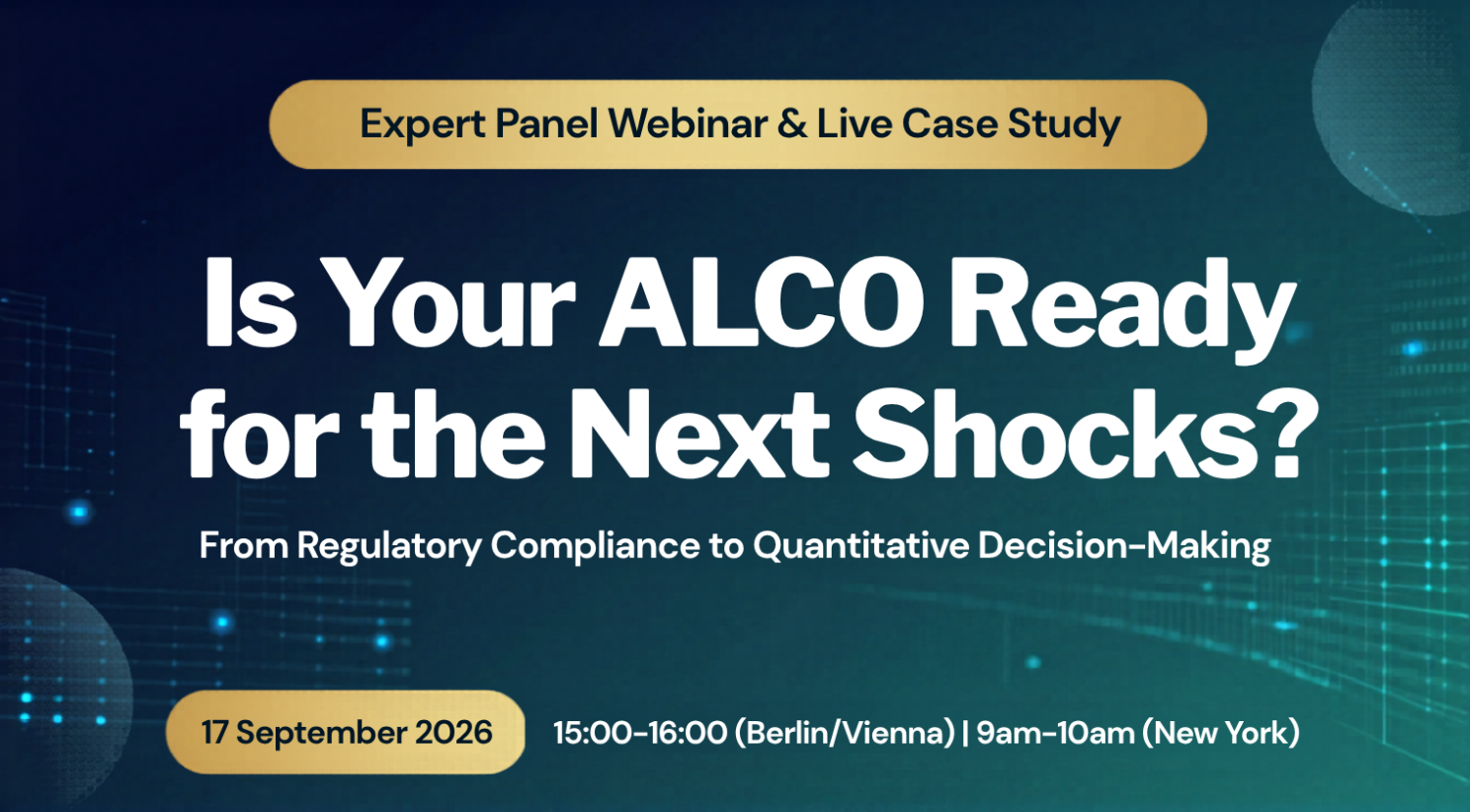
The webinar will feature an expert panel followed by a live case study demonstrating how quantitative planning can support better ALCO decision-making under multiple simultaneous stress scenarios. Participants will see how different management actions influence profitability, liquidity, capital, and overall balance sheet performance.
We are delighted that the panel will include several experts:
The webinar will be offered free of charge and is intended for ALCO members, Treasury, ALM, Risk Management, Finance, and senior banking professionals.
Registration will open soon. Follow Bearning on LinkedIn and www.bearning.com to be among the first to receive the registration link and additional event details.
One of our major projects this year is nearing completion. Over the past several months, we have been developing what will become Bearning's flagship educational programme for Asset & Liability Management professionals: the Bearning Professional School of ALM (PSALM).
PSALM has been designed as a comprehensive learning pathway for banking professionals who want to build practical expertise in one of the most strategic disciplines of modern banking. The programme combines structured e-learning, practical simulations, real-life case studies, and professional certification into a single learning experience.
The curriculum covers the core areas of modern balance sheet management, including:
Participants will receive:
We expect to officially launch PSALM in early July. If you're planning to invest in your professional development before the busy autumn season, PSALM will provide a structured pathway to strengthen your expertise in ALM, Treasury, Liquidity Management, Interest Rate Risk, and strategic balance sheet management.
Follow Bearning on LinkedIn and visit www.bearning.com to be among the first to learn about the official launch and registration.
V júni sme pre jedného z našich klientov zrealizovali in-house školenie zamerané na investovanie a privátne bankovníctvo. Počas workshopu sme sa venovali fungovaniu privátneho bankovníctva na Slovensku, segmentácii klientov, produktovým riešeniam, MiFID II regulácii a porovnaniu prístupu jednotlivých bánk. Nechýbali ani praktické diskusie o fondoch, ETF, alternatívnych investíciách, certifikátoch, investičnom zlate či private equity fondoch. Veľká časť školenia bola venovaná aj aktuálnej situácii na finančných trhoch, investičným stratégiám a praktickým prípadovým štúdiám z bankovej praxe.
👉 Viac o tomto školení nájdete v našom LinkedIn príspevku
Počas leta pripravujeme nové vzdelávacie materiály a už teraz otvárame registrácie na jesenné odborné kurzy pre bankárov. Tento rok sa zameriavame najmä na aktuálne témy spojené s digitalizáciou, reguláciou, riadením rizík, finančnými trhmi a modernými technológiami.
Na jeseň 2026 pripravujeme tieto verejné online kurzy:
Podrobné programy väčšiny kurzov sú už zverejnené na našom webe a registrácie sú otvorené.
Kurzy sú určené pracovníkom bánk, finančných inštitúcií a všetkým odborníkom, ktorí chcú rozvíjať svoje znalosti v oblastiach bankovníctva, finančných trhov, regulácie, riadenia rizík a moderných technológií. 👉 Kompletný kalendár, podrobné programy jednotlivých školení a registráciu nájdete na bearning.sk
Popri školeniach realizujeme aj individuálne odborné konzultácie pre členov predstavenstiev, dozorných rád, ALCO, vrcholový manažment a senior bankových špecialistov. Konzultácie sú pripravené na mieru konkrétnym potrebám banky alebo manažéra a zameriavajú sa najmä na oblasti:
Konzultácie prebiehajú online alebo prezenčne a sú určené manažérom, ktorí chcú získať nezávislý odborný pohľad, prehĺbiť svoje znalosti alebo sa pripraviť na nové profesijné výzvy.
👉 Viac informácií o individuálnych konzultáciách nájdete na https://bearning.sk/sk/consulting
Test Your Knowledge with Bearning's Monthly Banking Quiz ✅❌❔
Our recent webinar on Liquidity Risk Management and Intraday Liquidity highlighted that managing liquidity is no longer only about meeting regulatory ratios such as LCR or NSFR. As payment systems accelerate and instant payments become widespread, banks must also actively manage their liquidity throughout the business day.
❓ Which statement best describes intraday liquidity risk?
👉 We'll reveal the correct answer and explanation in the next Bearning newsletter.
❓ Which of the following areas of bank liquidity management could benefit most from AI and machine learning techniques?
A) Intraday liquidity forecasting based on payment flow patterns
B) Strategic determination of the bank's liquidity risk appetite
C) Approval of contingency funding plans by the ALCO
D) Setting minimum regulatory LCR requirements
✅ Correct answer: A) Intraday liquidity forecasting based on payment flow patterns
Artificial Intelligence (AI) and Machine Learning (ML) are particularly well suited for analyzing large volumes of historical payment data and identifying patterns that are difficult to detect using traditional statistical methods. This makes them highly valuable for intraday liquidity forecasting, where banks need to predict payment inflows, outflows, and potential liquidity shortages throughout the business day.
By learning from historical payment behavior, settlement cycles, customer transaction patterns, and seasonal effects, AI models can significantly improve the accuracy of liquidity forecasts and help treasury teams optimize liquidity buffers, reduce funding costs, and minimize settlement risk.
Why are the other answers incorrect?
B) Strategic determination of the bank's liquidity risk appetite
The liquidity risk appetite is a strategic decision defined by the bank's Board and senior management. While AI can provide analytical support and simulations, determining the acceptable level of liquidity risk remains a management responsibility based on business strategy, regulatory expectations, and the bank's overall risk culture.
C) Approval of contingency funding plans by the ALCO
Contingency Funding Plans (CFPs) are governance documents that require management judgement and formal approval by the Asset and Liability Committee (ALCO) or other authorized governance bodies. AI may assist by analyzing scenarios or identifying vulnerabilities, but it cannot replace management accountability for such decisions.
D) Setting minimum regulatory LCR requirements
The minimum Liquidity Coverage Ratio (LCR) is established by banking regulation (currently 100% under the Basel III framework and related national regulations). Individual banks cannot modify this regulatory minimum, although many choose to maintain internal liquidity buffers above the regulatory threshold.
💡 Why this matters
As payment systems become faster and instant payments continue to grow, intraday liquidity management is becoming one of the most promising areas for the practical application of Artificial Intelligence in banking. Rather than replacing treasury professionals, AI enables them to make faster, more informed decisions based on real-time payment flows and behavioral patterns - a topic we explored in our recent webinar on Liquidity Risk Management and Intraday Liquidity.

ALM & Treasury, Riadenie rizík, Finančné riadenie banky, Banková regulácia, Fintech

Súbory cookie
Používame nevyhnutné cookie na chod webu a voliteľné analytické/marketingové na zlepšenie služieb. Viac v zásadách používania cookie.