Newsletter
Newsletter 08-2026
Jun 2023

How banks should manage and optimize their balance sheets, lessons from bank failures, recovery planning, and AI's growing role in ALM.

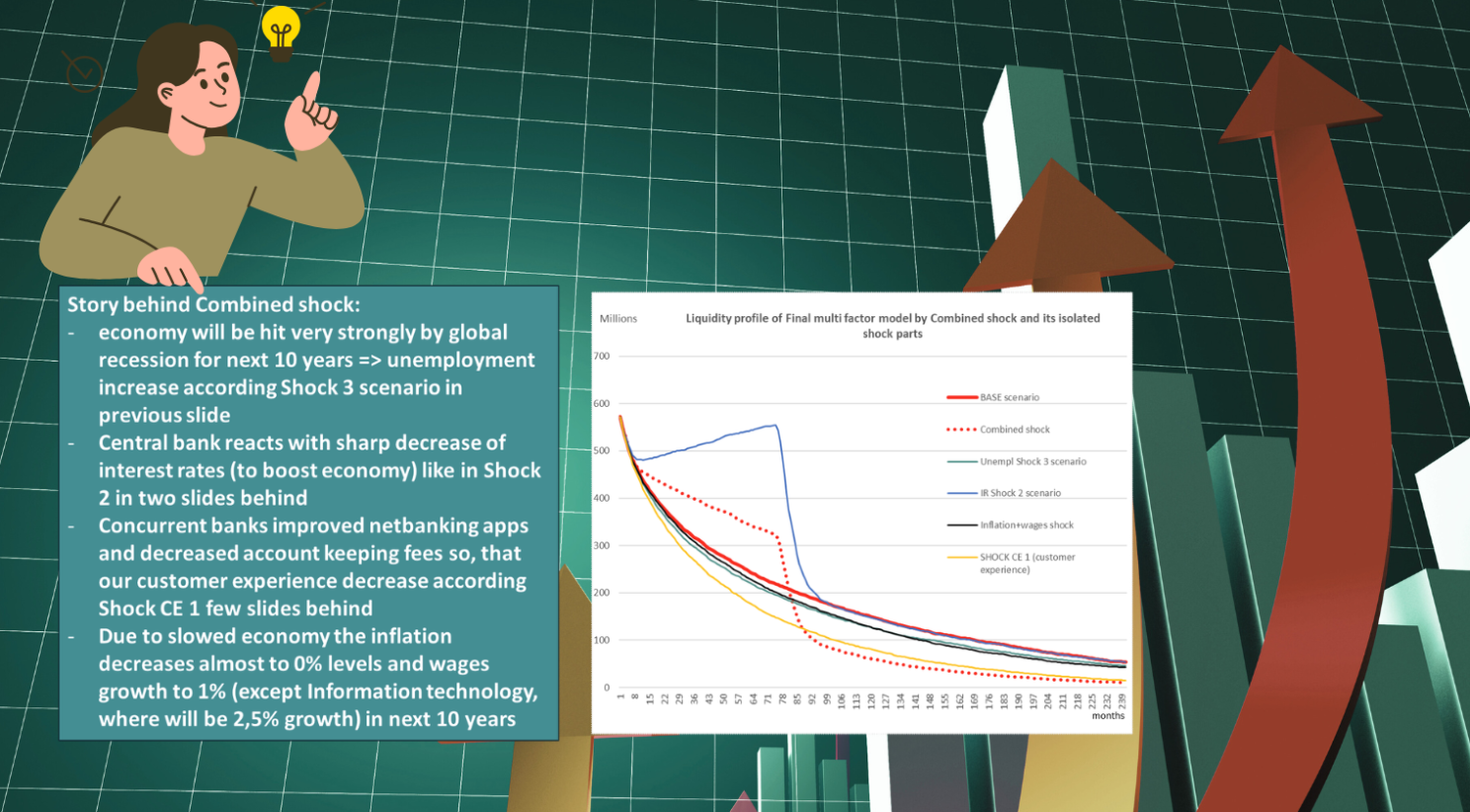
Welcome to the April edition of the Bearning newsletter. In today’s banking environment, balance sheet management is once again at the center of attention. After a period dominated by interest rate shocks and liquidity concerns, banks are now operating in a more complex and less predictable landscape. Yield curves remain uncertain, deposit behavior has become less stable, and regulatory expectations continue to evolve. At the same time, technological developments — particularly in data analytics and artificial intelligence — are beginning to influence how banks approach decision-making.
These dynamics raise an important question: how should banks manage and optimize their balance sheets in such an environment? In this issue, we look at several recent insights and publications that highlight the direction in which Asset & Liability Management (ALM), liquidity risk management, and strategic balance sheet steering are moving.
In my recent blog (click to read full text), I reflected on how the environment for Asset & Liability Management has evolved in recent years and why traditional approaches are increasingly insufficient.
The role of ALM is gradually shifting from a relatively technical, reporting-oriented function towards a core management discipline. Banks are no longer operating in stable interest rate environments where balance sheet assumptions hold over long periods. Instead, they must continuously reassess their positions, model different scenarios, and actively steer both risk and profitability.
Interest rate risk remains a central driver, but it is now closely linked with liquidity considerations and behavioral uncertainties, especially on the liability side. Deposits can no longer be treated as a stable funding base without careful modelling. As a result, ALM increasingly interacts with strategic planning, pricing, and overall business decisions.
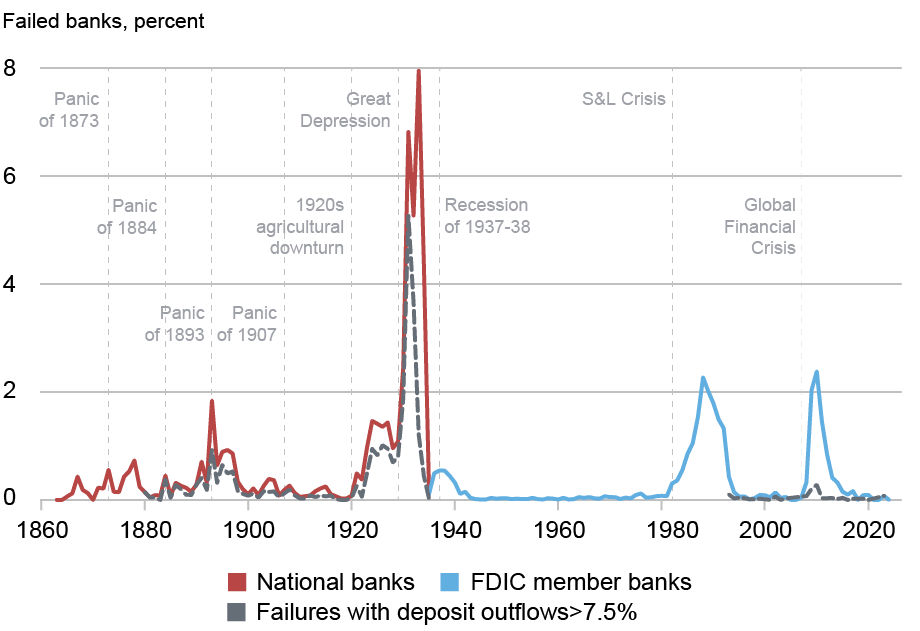
A recent article published by the New York Fed revisits a fundamental topic in banking: the relationship between solvency and liquidity in bank failures. The analysis confirms that liquidity stress can materialize very quickly, even in institutions that appear solvent from an accounting perspective. In recent cases, digital banking channels and concentrated depositor bases have accelerated the speed at which funding can leave a bank.
At the same time, the distinction between solvency and liquidity proves to be less clear-cut in practice. Declines in asset values can weaken confidence and trigger funding pressures, which in turn may force asset sales and further losses. For ALM and risk management teams, this reinforces the need to analyze both dimensions together rather than in isolation. 👉 Read my LinkedIn comment about this topic here.
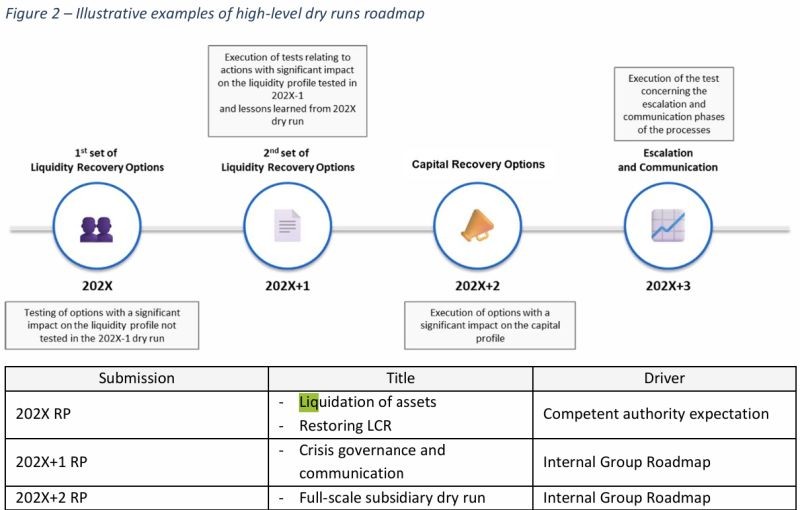
The European Banking Authority has recently published a report on recovery plan dry runs, offering practical insights into how banks prepare for stress situations. The report highlights that liquidity measures are typically the first line of defense in crisis situations. However, defining recovery actions is not sufficient on its own. Banks must also ensure that these actions can be implemented quickly and effectively.
An important aspect is governance: clear decision-making processes, escalation frameworks, and coordination between functions are essential. Dry run exercises often reveal gaps not only in modelling but also in operational readiness.
This underlines a broader point: recovery planning is increasingly linked with everyday balance sheet management and should be seen as a practical extension of ALM rather than a separate regulatory exercise. 👉 Read my LinkedIn post about this topic here.
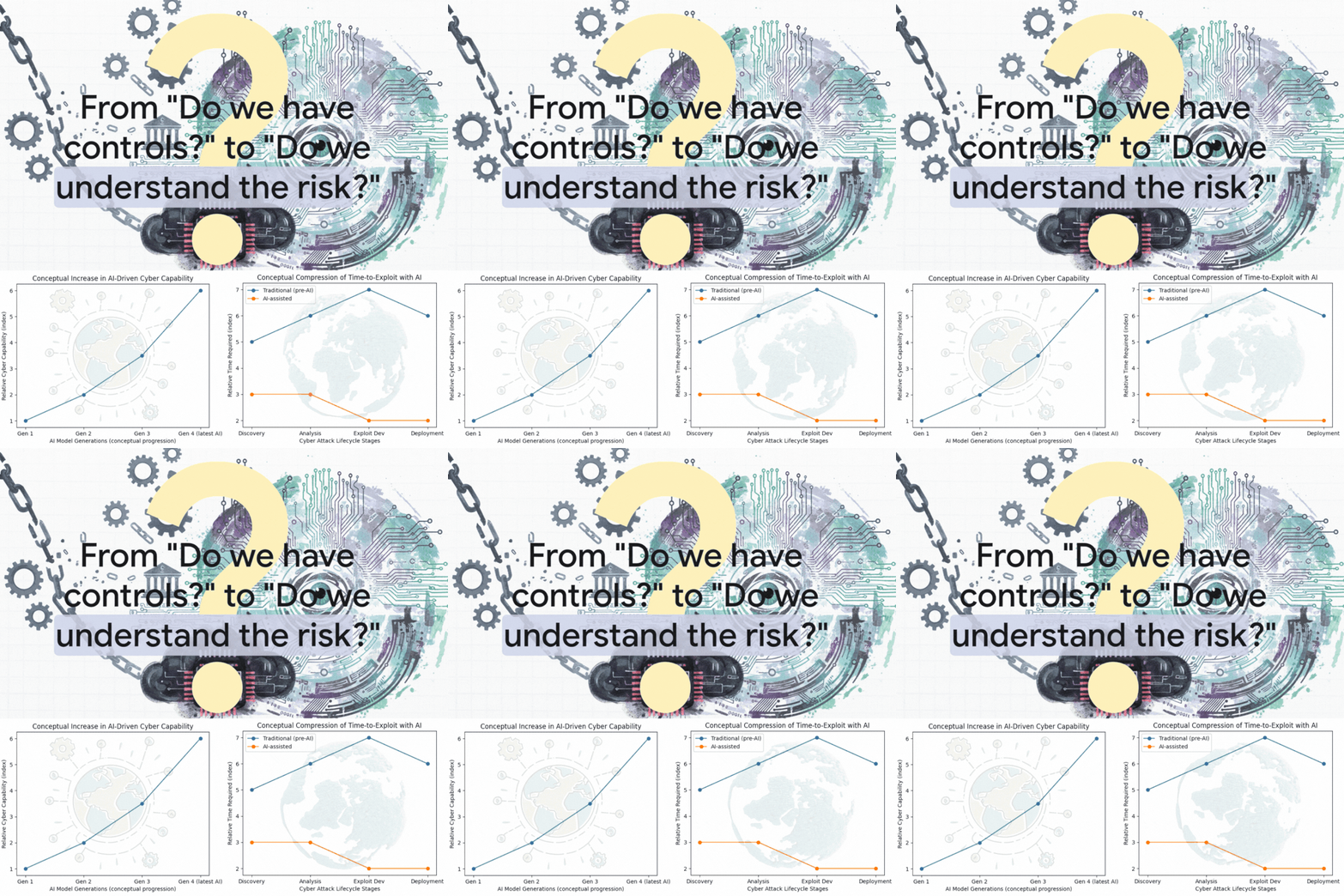
Another topic developing very quickly, and with increasing relevance for banking, is artificial intelligence. What is notable is the speed of change. Compared to previous waves of digitalization, AI is evolving much faster, and this may start to influence how banks manage their balance sheets.
From an ALM perspective, this raises several practical questions. More advanced modelling and data processing can improve scenario analysis, liquidity forecasting, and interest rate risk management. At the same time, faster decision-making — both within banks and across markets — may shorten reaction times and increase volatility.
This creates a clear challenge for banks: how to use these new capabilities while maintaining control, transparency, and robust risk management frameworks? 👉 Read full text of my LinkedIn post about it here.
Across these topics, a consistent message emerges. Balance sheet management is becoming more dynamic, more interconnected, and more closely linked to strategic decision-making. For banks, this means that ALM cannot remain a purely technical function. It must evolve into a forward-looking discipline that integrates risk, profitability, liquidity, and increasingly also technological capabilities.
In April, we organized two live webinars focused on key areas of modern balance sheet management and ALM.
The first session, “FTP & Quantitative Planning Explained”, focused on how Funds Transfer Pricing connects funding, profitability, and overall balance sheet strategy. The webinar combined conceptual explanations with practical examples, showing how FTP can be used as a tool for performance steering, risk management, and decision-making within the bank.
The second webinar, “Non-Maturing Deposits (NMDs) Modelling” addressed one of the most discussed topics in ALM today. We focused on how to define the modelled maturity profile and interest rate sensitivity of non-maturing deposits in a realistic way, supporting both risk measurement and balance sheet planning.
Both sessions highlighted the importance of integrating interest rate risk, liquidity considerations, and behavioral modelling into a consistent ALM framework. In the current environment, where market conditions and customer behavior can change quickly, these topics are becoming increasingly important for banks. Given the continued volatility in financial markets and the structural changes in banking, we plan to run these webinars live again in autumn 2026. Balance sheet management is an area that requires continuous updating and practical understanding, rather than a one-time approach.
For those who would like to revisit these topics in more detail, both webinars are available online, including full recordings, supporting documentation, and practical materials used during the sessions. This includes Bearning Excel models applied in the webinars, as well as input and output files from the QuantPlan ALM system used in the case studies.
As part of our LinkedIn community, you can use the discount code extra30off during checkout to receive a 30% discount on these materials!
In addition to these recent webinars, we are continuing our activities with an upcoming live session focused on one of the most important areas of balance sheet management today:
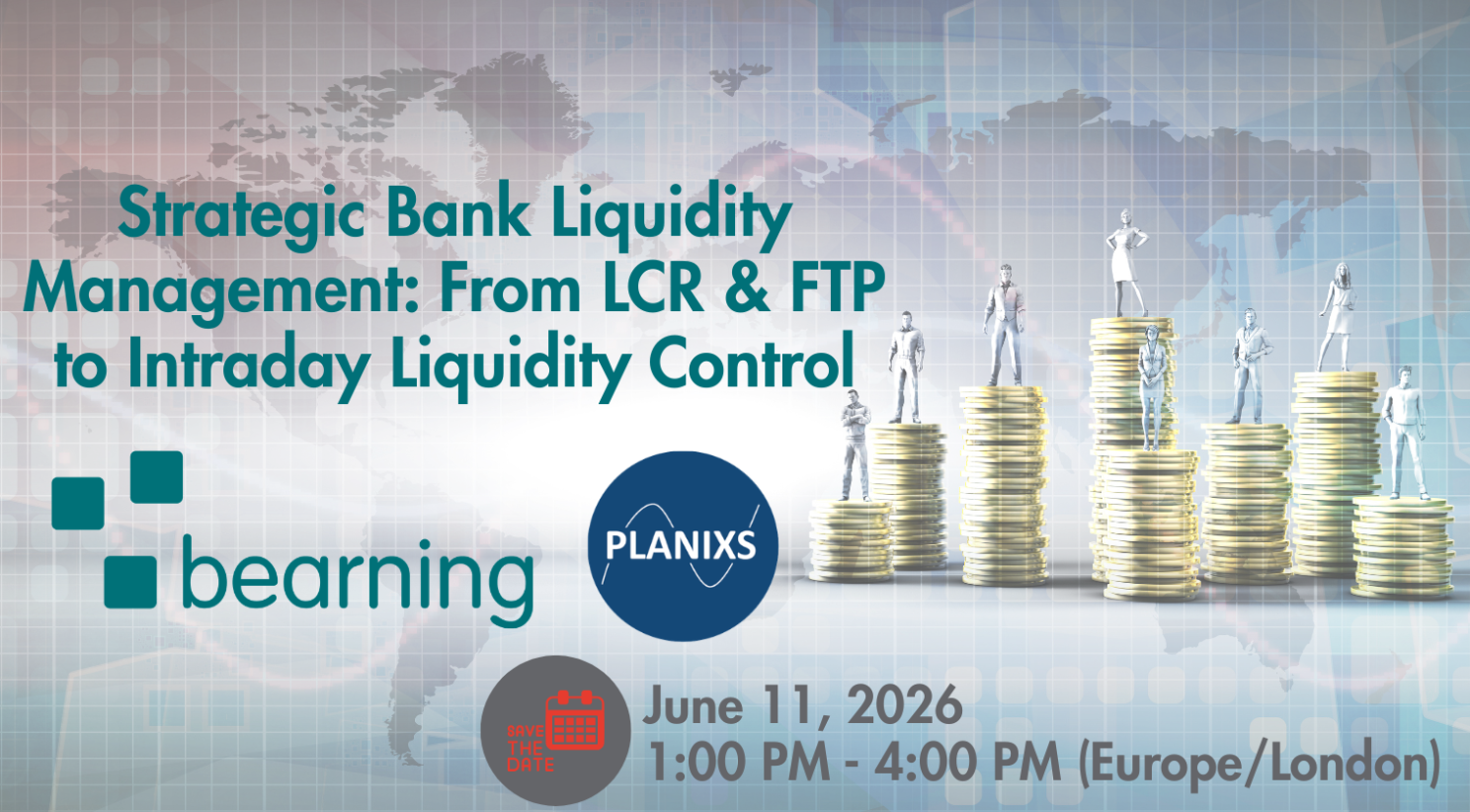
This webinar is designed to provide a structured and practical view on how banks manage liquidity across different dimensions. It covers the full spectrum - from regulatory metrics such as Liquidity Coverage Ratio (LCR) and internal tools like Funds Transfer Pricing (FTP), to more advanced topics such as intraday liquidity management.
Participants will gain insight into how liquidity risk is measured and managed in practice, how different frameworks interact, and how banks can align regulatory requirements with internal balance sheet steering. The session also reflects the increasing importance of real-time liquidity monitoring, especially in an environment where payment systems, client behavior, and market conditions are evolving rapidly.
As part of our ongoing activities, we would also like to invite our LinkedIn followers and newsletter readers to register for this webinar using the 30% discount code extra30off during checkout. With this webinar, we continue our commitment to supporting banking professionals in developing practical knowledge in ALM, Treasury, and balance sheet management. As these areas become more complex and interconnected, continuous learning and regular updates remain essential for effective decision-making.
V apríli dominovali školenia zamerané na strategické finančné riadenie banky a riadenie súvahy. Veľmi dobrú odozvu mal napríklad náš in-house workshop spojený so simuláciou banky SimBa, ktorý sme prispôsobili individuálnej požiadavke klienta so zameraním na riadenie likvidity banky. Do workshopu sme zaradili samostatnú časť venovanú práve tejto dôležitej téme a simuláciu SimBa sme využili na praktické vysvetlenie riadenia likvidity so všetkými súvislosťami.
Účastníci pracovali s témami ako využitie FTP prémií, sledovanie regulačných ukazovateľov, analýza likviditných gapov a rizík, ako aj použitie rôznych nástrojov riadenia likvidity v praxi.
Z tohto workshopu sme získali výborný feedback — NPS (Net Promoter Score) 100, s komentárom:
„Páčilo sa mi praktické spojenie s praxou na príkladoch.“
Riadenie aktív a pasív bolo zároveň dominantnou témou aj v našich školeniach v anglickom jazyku, ako sme uviedli vyššie, čo potvrdzuje, že ide o jednu z kľúčových oblastí súčasného bankovníctva.
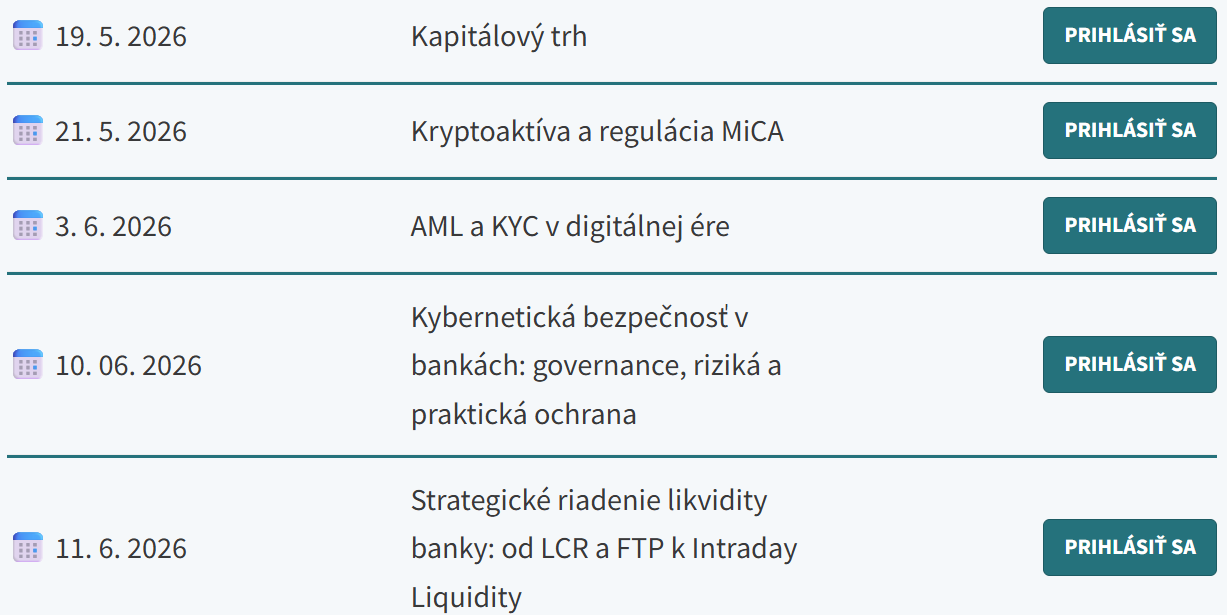
👉 Aktuálny kalendár kurzov, podrobnosti a registráciu nájdete na našej stránke bearning.sk
Test Your Knowledge with Bearning Monthly Banking Quiz ✅❌❔
This month’s question focuses on a key concept in balance sheet management — the role of liquidity in internal pricing frameworks.
❓ Why do banks incorporate a liquidity-adjusted yield curve into their Funds Transfer Pricing (FTP) framework instead of relying solely on a risk-free curve?
The correct answer and explanation will be shared in our next newsletter.
Review and Learn from Last Month’s Quiz
❓ If an inflation-linked bond (TIPS) has an adjusted principal of $10,200 and a fixed annual coupon rate of 2%, what will be the semiannual coupon payment?
✅ Correct answer: A) 102
Inflation-linked bonds such as TIPS adjust their principal based on inflation. The coupon rate itself remains fixed, but the coupon payment is calculated on the inflation-adjusted principal, not the original nominal value.
In this case:
👉 Semiannual coupon = 1% × 10,200 = 102
The correct semiannual payment is therefore 102, reflecting the adjusted calculation over the period.
For ALM and Treasury, inflation-linked instruments introduce an additional dimension:
Understanding how these cash flows are calculated is essential for correct valuation, risk measurement, and scenario analysis.

ALM & Treasury, Riadenie rizík, Finančné riadenie banky, Banková regulácia, Fintech

Súbory cookie
Používame nevyhnutné cookie na chod webu a voliteľné analytické/marketingové na zlepšenie služieb. Viac v zásadách používania cookie.