
Newsletter
Newsletter 08-2026
Jun 2023


Welcome to the August 2025 Bearning Newsletter. This summer’s standout banking topic is the accelerating move from “crypto on the fringes” to stablecoins with a statutory framework - and what that means for bank Treasury and ALM. On 18 July, the United States enacted the GENIUS Act (Guiding and Establishing National Innovation for U.S. Stablecoins), the first federal law that defines “payment stablecoins” and sets approval, reserve, custody and supervision requirements for issuers. For banks, this is not just a U.S. headline: it signals how tokenised money could interact with deposits, liquidity, and safe-asset markets.
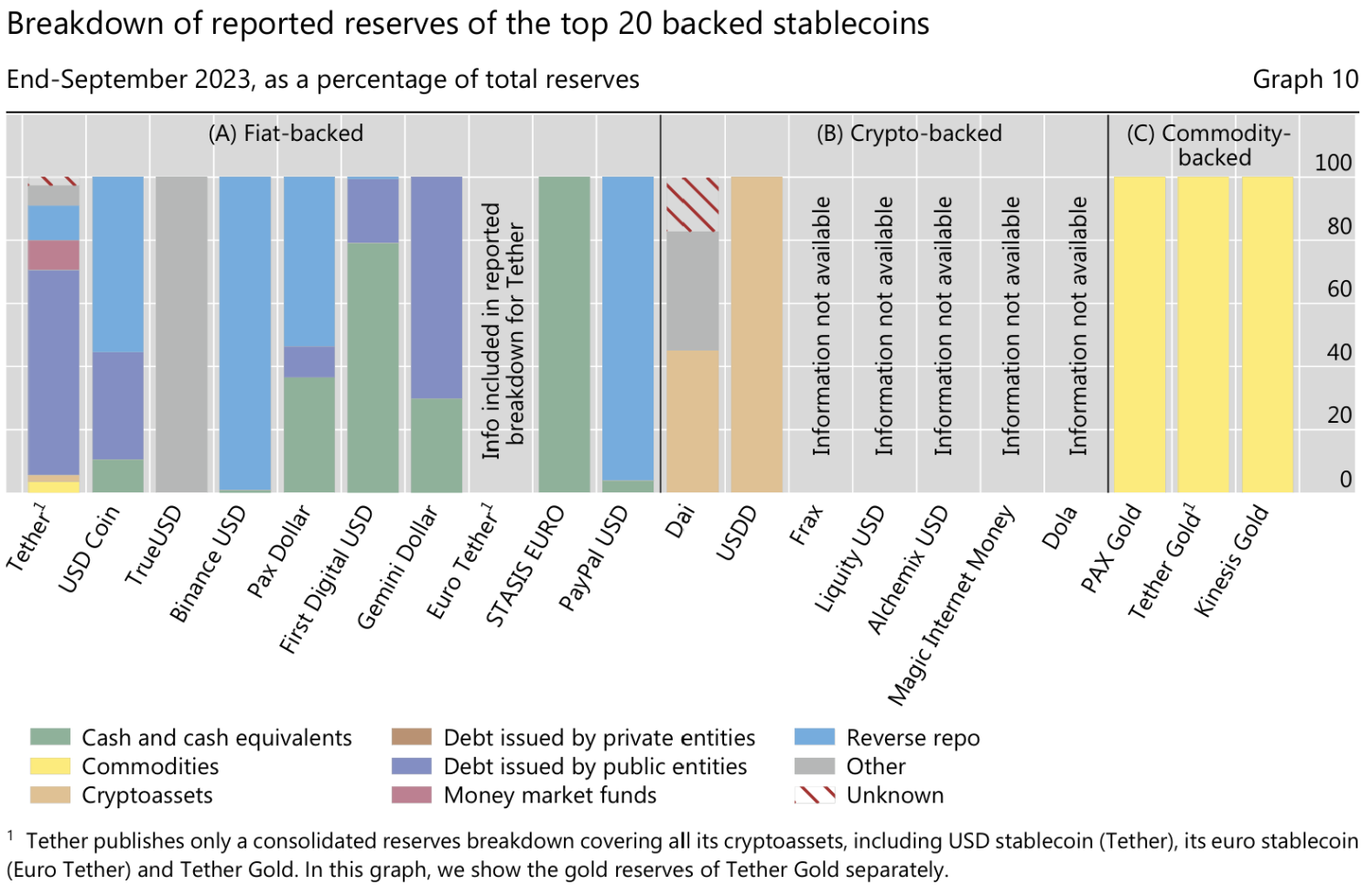
Why the topic just moved to the top of the agenda. In July, the U.S. enacted the GENIUS Act (Guiding and Establishing National Innovation for U.S. Stablecoins) creating a federal regime for “payment stablecoins.” In plain terms, these are fiat-pegged tokens redeemable 1:1 (typically to USD) that meet new rules on reserves, redemption and supervision. Among other things, issuers must hold identifiable 1:1 reserves in cash and short-dated government instruments, and are for now prohibited from paying interest or yield to holders solely for holding the coin. Supervisory responsibilities are split between federal and state regulators, with clear solvency and redemption protections for customers.
Which coins are we actually talking about? The Act’s scope is payment stablecoins (fiat-pegged), not the broader universe of “algorithmic” or crypto-collateralized designs. In market practice, the largest payment stablecoins are Tether’s USDT and Circle’s USDC; they dominate flows and disclosures discussed in recent BIS work and are treated as key issuers in that analysis.
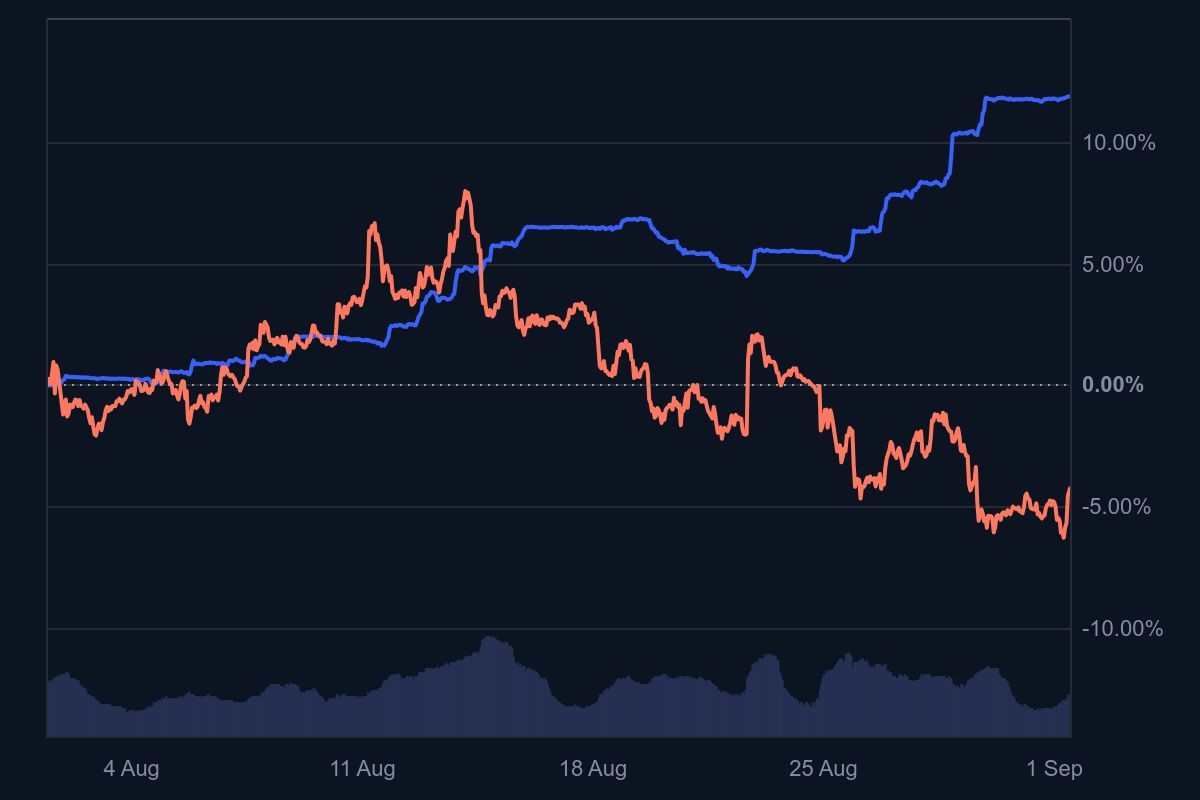
What the BIS found (and why taxonomy matters). The BIS’s November 2023 paper "Will the real stablecoin please stand up?" mapped the market across four types (fiat-backed, crypto-backed, commodity-backed, and unbacked/“algorithmic”), documented how major events (eg., Terra/Luna 2022, FTX 2022) reshaped volumes and concentration, and highlighted transparency gaps in reserve reporting and stabilization mechanisms. Most importantly, across 68 stablecoins studied, none maintained perfect 1:1 parity at all times, regardless of size or backing. Today’s renewed policy interest (and the GENIUS Act) explicitly centers on the fiat-pegged segment.
Why banks (ALM & Treasury) should care?
The transatlantic angle - what does Europe do now?
The EU already brought stablecoin issuance under MiCA (for EMTs and ARTs) as of 30 June 2024, with the EBA now finalizing technical standards on reserves, liquidity and disclosure. But on digital money initiatives, the U.S. legislative leap raises competitive questions. The ECB’s digital euro remains in a preparation phase (rulebook work, pilots, stakeholder engagement); policymakers aim for a political framework by early 2026. The UK’s digital pound project is in its design phase with ongoing policy/tech work. MiCA is in force, but EUR-denominated stablecoins remain tiny: together they’re around $0.5B (≈0.2% of the global stablecoin market, figures as of 1 Sep 2025). EURC is the largest euro coin, sitting around #11 by market cap at roughly $0.24B—orders of magnitude below USD-backed leaders USDT (~$168B) and USDC (~$71.5B). The policy question is whether Europe accelerates CBDC timelines (digital euro/UK digital pound) or further refines MiCA to catalyze safe, scalable euro rails.
Our professionals have supported Treasury/ALM teams with solution-finding for 30+ years. We provide consultations on key balance-sheet and market-risk topics—policy impact mapping, liquidity and FTP scenarios, ALM operating models, governance, and board/ALCO briefings—tailored to your balance sheet and risk appetite. As part of our consulting (https://study.bearning.com/pages/consulting), we also help banks evaluate, select, and implement the most suitable ALM and planning solution with trusted partners, for example QuantPlan, a quantitative planning and ALM software solution for banks.

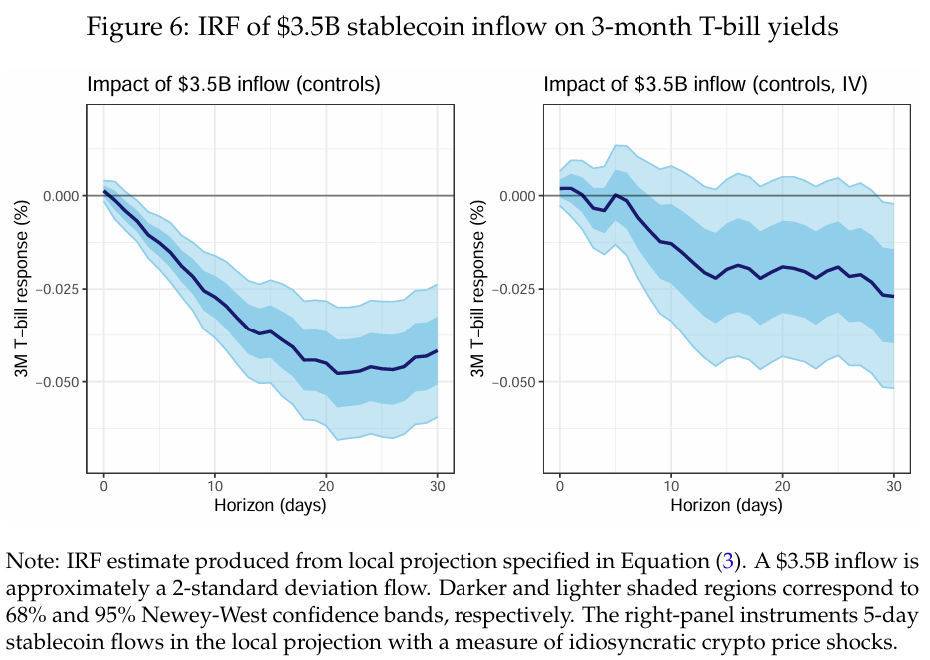
In Section 1 we highlighted how stablecoin flows can move front-end rates and why that matters for Treasury/ALM. This reinforces the need to shape the FTP base curve thoughtfully (e.g., front-end reference, liquidity premiums, behavioral add-ons) and to run scenario analysis that stress-tests deposit elasticity, funding mix, and rate paths. In this 60-minute, practice-oriented session, our speakers Martin Macko (Bearning) and Michal Lopušan, CFA (QuantPlan) will:
Check detailed content and register here: Bearning FTP & Quantitative Planning Webinar (MS Teams)
To contribute effectively in Treasury/ALM, professionals need a solid grasp of: bank management strategy, controlling & internal pricing (FTP), ALM procedures, Treasury & financial market products, risk management, budgeting & planning, and bank regulation. All of these are covered in our structured e-learning bundles: 👉 https://study.bearning.com/bundles/banking-and-financial-management
Access & extras:
Offer: Although our summer discount has ended, we’ve decided to contribute to bank education by extending a special offer for our community. Bearning newsletter readers and followers get 40% off - use code 2025EXTRA40 at checkout. The discount applies to our banking & financial management bundles and includes lifetime access and course certificates.

Registrácie na jesenné termíny Bearning kurzov sú otvorené. Zameriavame sa na témy, ktoré hýbu bankovníctvom: ALM & Treasury, kapitálové trhy a spracovanie CP, regulácia a riziká, AML/KYC, aj umelá inteligencia vo finančných službách.

Praktický, interaktívny pohľad na fungovanie treasury v banke a obchodovanie na peňažnom, kapitálovom a devízovom trhu. Účastníci si ujasnia základné princípy riadenia trhových rizík, produktové spektrum a bežné treasury stratégie. Vhodné pre Treasury, ALM, riadenie rizík a controlling. Viac informácií a registrácia: Treasury Workshop.
Koncentrovaný prehľad typov cenných papierov, ich emisie a obchodovania, s dôrazom na zúčtovanie, vyporiadanie, evidenciu a custody. Praktické postupy a „end-to-end“ procesy pre back-office/operations, risk & compliance a podporu IT. Viac informácií a registrácia: Kapitálový trh a spracovanie cenných papierov.
Ako AI rozumne zaviesť do bankových procesov: use-cases v risku a financovaní, podpora AML/KYC (s dôrazom na kontrolu rizík), tvorba politiky a governance pre AI nástroje a praktické ukážky práce s modelmi (bez potreby programovania). Kurz je určený najmä pre bankových manažérov a špecialistov, ktorí AI potrebujú bezpečne a účelne používať v praxi. Viac informácií a registrácia: Umelá inteligencia (AI) v bankovníctve
🎓 Bonus pre účastníkov: vybrané kurzy dopĺňame e-learningom v angličtine s certifikátom. ➡️ Kompletný kalendár, podrobnosti a registrácia na Bearning kurzy: https://bearning.sk/sk/public-workshops-calendar
Test Your Knowledge with Bearning’s Monthly Quiz ✅❌❔
Stablecoins are no longer a fringe topic: their reserve allocation now influences front-end rates, liquidity pricing, and the shape of banks’ FTP curves. Knowing what sits behind the largest coins matters for ALM scenario design.
Question: As of 30 June 2025, approximately what share of USDT (Tether) reserves were backed by U.S. Treasuries (counting direct T-bill holdings plus indirect exposure via repos and money-market funds)?
👉 Check the next Bearning newsletter for the correct answer and a brief explanation.
Review and Learn from Last Month's Quiz
❓ In which area are US banking regulations typically stricter compared to Europe?
✅ Correct answer: C) Leverage Ratio
Why: In the U.S., the largest banks are subject to the Supplementary Leverage Ratio (SLR) plus an enhanced SLR (eSLR). The 2014 final rule effectively set a 5% threshold at the holding-company level (3% minimum SLR + 2% buffer) and 6% at insured depository subsidiaries to avoid distribution limits - materially above Basel’s 3% floor.
By contrast, the EU made the leverage ratio binding at 3% from June 2021, and from 2023 added a G-SII (Global Systemically Important Institution) leverage ratio buffer equal to 50% of a bank’s risk-based G-SII buffer (so, for many EU G-SIIs, totals around 3.5%–4.75%). That calibration is generally below the long-standing U.S. eSLR levels.
Note: In July 2025 U.S. agencies proposed modifying the eSLR (moving to a buffer linked to the G-SIB surcharge), which, if finalized, would lower today’s eSLR thresholds. But as of now it’s a proposal, not a final rule, and historically the U.S. leverage regime has been stricter than the EU’s.
Why the other options weren’t the best choice:
📚 Want to practice more? Visit our Bearning e-learning platform for 1000+ quiz questions and full course bundles on treasury, ALM, and derivatives. Use now bundles with 40% off!
We hope this month’s insights, updates, and quiz have helped you stay informed and inspired in your professional banking journey. At Bearning, we continue to support bankers and financial professionals through practical education, in-house trainings, and consulting - because Bearning is Bank Learning!
Let us know if you’d like to organize a workshop, explore e-learning for your team, or book a consultation.

ALM & Treasury, Riadenie rizík, Finančné riadenie banky, Banková regulácia, Fintech

Súbory cookie
Používame nevyhnutné cookie na chod webu a voliteľné analytické/marketingové na zlepšenie služieb. Viac v zásadách používania cookie.